
FeuTECHNIK SLOW FIRE protects electric buses by rapidly detecting hazards, slowing the spread of fire and extinguishing fires in traction battery enclosures, providing valuable response time.

An electrical detection cable detects fire or high temperatures, immediately activating the cylinder valve and nozzle system.

The extinguishing agent immediately turns into gas, spreads through the affected space and effectively removes heat.

The gas significantly delays reignition, allowing time for safe evacuation and fire service intervention.
Protect the electric vehicles in your fleet. Control class A and B fires before they spread.
The system is completely safe for the environment, with negligible global warming potential, and for passengers. It causes no property damage, contains no corrosive substances and does not damage electronics.
Effective clean agent
Corrosion and damage
Types of fire extinguished
Count on rapid fire detection. The system works with a control unit that provides visual and audible alerts directly to the driver.

Email us
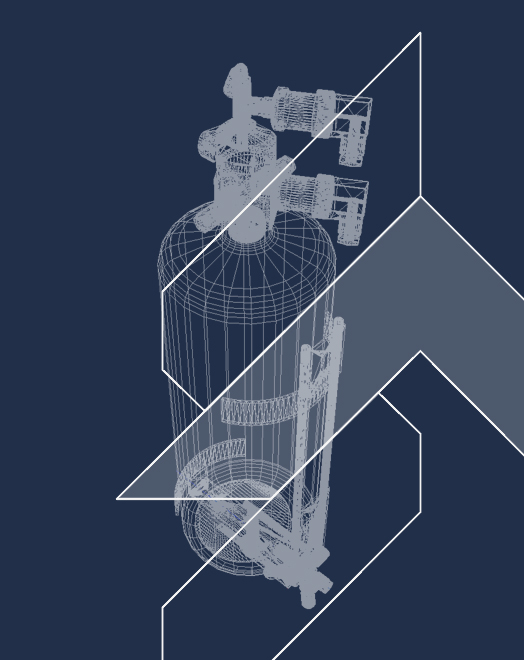

The protected area requires no cleaning. This eliminates the use of water and industrial cleaning agents, preventing contamination.
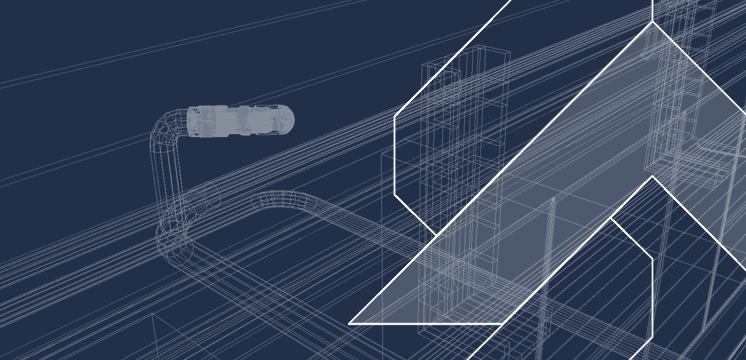

The absence of corrosion extends the service life of components in the protected area, significantly reducing electrical and mechanical waste.

After activation, both the system and the protected area can be restored to operation quickly and easily.
Traction battery enclosure protection
Learn how this system works, designed specifically for modern electric and hybrid buses.
It rapidly detects and slows battery fires in electric buses and extinguishes fires in the traction battery enclosure.
Immediately after activation, the agent turns into gas, rapidly disperses, removes heat and significantly delays the risk of reignition.
It tackles class A fires involving solid materials that decompose and release gases, and class B fires involving flammable liquids and substances that melt when heated.
No. The substance used is a clean agent. It does not cause corrosion, does not conduct electricity or cause short circuits, and, unlike water, does not cause property damage.
Restoring operation is straightforward. The protected area requires no cleaning, saving time, reducing waste and avoiding toxic firefighting wastewater.