
The device completely disinfects the bus passenger compartment, removing airborne bacteria, microorganisms and viruses, particularly COVID-19 variants, in real time as the bus travels between stops.

The modules destroy viral nucleic acids, DNA and RNA, by exposure to UV-C radiation at a wavelength of 253.7 nm.

The device is installed in line within the ventilation duct, irradiating all passing air with power of up to 300 W.

The enclosed construction prevents radiation from escaping. The device is completely safe for passengers.


An ideal solution for public transport vehicles: buses, coaches, trams and metro trains.
AntyvirAir is the most effective device on the market. It protects passengers by destroying SARS and MERS coronaviruses, noroviruses, the virus responsible for COVID-19, fungi and other microorganisms.
Effective UV-C wavelength
Irradiation power inside the chamber
Airflow per hour

Our airflow modules render viruses harmless to people in real time. The module is fully maintenance-free and requires no filter replacement.

Email us
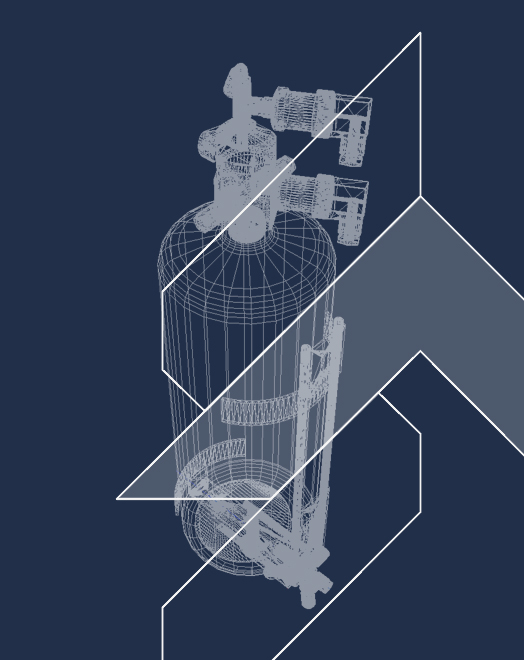

The modern system operates silently and requires no filter replacement, significantly reducing operating costs.
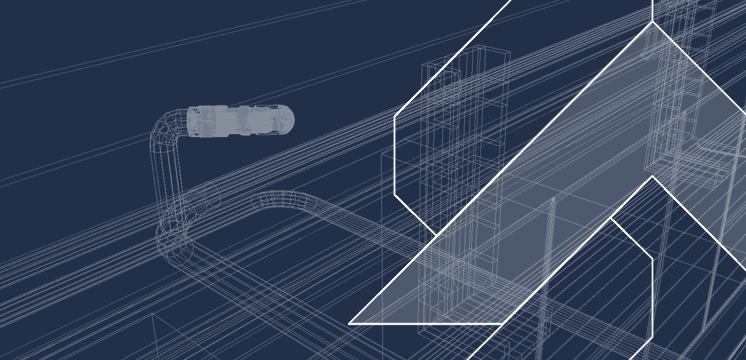

This technologically advanced device communicates directly with the vehicle's electronic system through the CAN bus.

The design allows easy installation and adaptation to the vehicle's construction. It features low, environmentally friendly energy consumption.
Modules for a 12 m bus
Modules for an 18 m bus
Learn more about the advanced passenger compartment disinfection system installed in public transport vehicles.
The system destroys coronaviruses, including those responsible for COVID-19, SARS and MERS, as well as noroviruses, airborne bacteria, fungi and other microorganisms.
Yes. The device has an enclosed design and is installed in line within the ventilation duct, preventing harmful radiation from escaping into the passenger compartment.
A standard 12-metre bus requires a set of 4 modules. An 18-metre articulated bus requires a set of 8 modules.
No. AntyvirAir is a modern device that does not use conventional contaminant filters, so there is no need for regular filter replacement. This minimises maintenance costs.
AntyvirAir adapts to the vehicle's construction and communicates with the CAN bus. It can be installed in buses, coaches, trams, metro trains and other public transport vehicles.